21 June 2026
Key Changes to Zoo Licensing Standards for Managers in 2025‑2027
The 2027 Standards of Modern Zoo Practice bring the biggest changes to UK zoo licensing in over a decade. Here's what managers need to prepare for on elephants, raptors, touch pools, and wild acquisitions.
The Zoo Licensing Act 1981 continues to be the primary legislation for regulating zoos in England, Wales, and Scotland, but the standards that sit under it have undergone their most significant revision in over a decade. On 24 May 2025, the Department for Environment, Food and Rural Affairs (Defra) published the new Standards of Modern Zoo Practice, which will come into effect on 24 May 2027. Until that date, the 2012 standards remain in force. This article explains the key changes that zoo managers need to prepare for, focusing on the areas that will have the greatest operational impact.
What Has Changed and When
The existing 2012 standards were 94 pages long. The new standards run to 173 pages, reflecting a substantial increase in detail and scope. While the Zoo Licensing Act 1981 itself is not being replaced, the updated standards impose new requirements on elephant care, bird of prey management, touch pool operation, and the acquisition of wild animals. Managers should treat the period between now and 23 May 2027 as a transition window during which they can plan and budget for compliance.
Elephant Care: Larger Enclosures and Long‑Term Planning
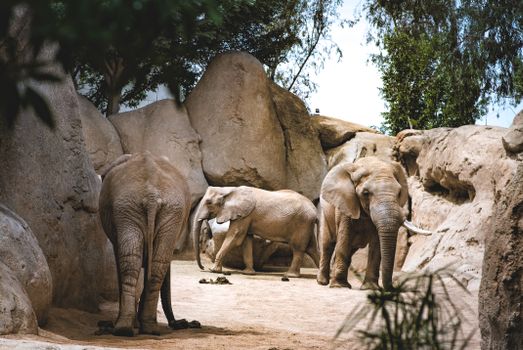
Elephant‑holding institutions face some of the most profound changes. The 2027 standards make larger habitat enclosures mandatory, with new size requirements that must be met by 1 January 2040. In addition, zoos must produce long‑term management plans and individual welfare plans for every elephant. Free‑contact management techniques, which involve keepers working in the same space as elephants using ankus or electric goads, will be phased out by 1 January 2030. These provisions go well beyond the 2017 update to Appendix 8, which added some elephant‑specific requirements but did not mandate the same level of forward planning or enclosure measurement.
For managers, the immediate steps are to audit current elephant facilities against the new enclosure size targets and begin drafting the required long‑term management plans. Engaging with zoo architects and elephant behaviour specialists now will help avoid a last‑minute scramble.
Phasing Out Tethering of Birds of Prey
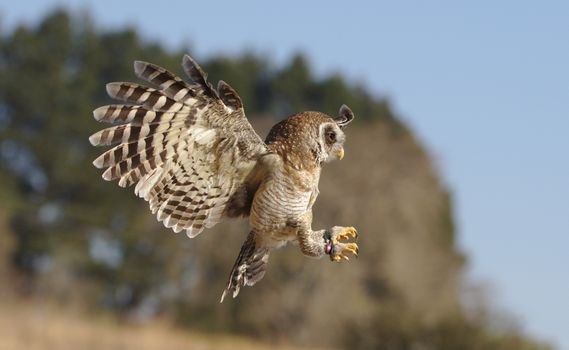
The practice of tethering birds of prey for more than four hours in any 24‑hour period will be prohibited from 1 January 2030. Zoos that currently use tethered management for raptors must prepare alternatives, such as free‑lofting, larger aviary spaces, or rotational systems. Again, the 2027 standards give a clear timeline, but the design and construction of new bird facilities can take months or years, so early planning is essential.
Touch Pools: No Fish, Decapods, or Cephalopods
Previously, touch pools were not explicitly regulated in the zoo standards. The new standards change that completely. From 24 May 2027, zoos may not keep fish, decapod crustaceans, or cephalopods in touch pools. This closes a long‑standing welfare loophole and will affect aquariums and petting exhibits that rely on tactile interaction. Managers of such facilities should assess alternative species that can be used in touch pools without falling under the prohibited list, and consider redesigning the interactive elements of their exhibits.
Acquisition of Animals from the Wild
The 2027 standards introduce a general prohibition on acquiring animals from the wild, unless a justifiable reason can be demonstrated. This aligns modern zoo practice with the conservation and ethical principles that many institutions already follow, but it formalises the expectation. Managers will need to document the justification for any future wild‑sourced acquisition and ensure it is approved by the zoo's licence authority.
Conservation and Education Requirements Strengthened
The new standards also emphasise the role of zoos in conservation and public education. Although the research pack does not provide specific numerical thresholds, the increased page count indicates that the standards now expect more detailed evidence of conservation spending and education programme outputs. BIAZA, the professional body for zoos and aquariums, has noted that local authorities must be properly resourced to enforce these new requirements. Managers should therefore be prepared for more rigorous licence inspections and potential requests for additional documentation.
Transition Timeline at a Glance
Deadline | Requirement |
|---|---|
23 May 2027 | New Standards of Modern Zoo Practice come into effect. Touch pool prohibitions apply from this date. |
1 January 2030 | Phase‑out of free‑contact management for elephants. Phase‑out of tethering birds of prey for more than 4 hours in any 24‑hour period. |
1 January 2040 | Mandatory larger enclosure sizes for elephants must be completed. |
The 2012 standards remain the benchmark until 23 May 2027. Zoo managers should use the intervening years to conduct gap analyses, consult the official Defra documentation, and engage with industry bodies such as BIAZA for guidance on best practice.
Local Authority Enforcement and Industry Concerns
BIAZA has welcomed the updated standards but has warned that local authorities need sufficient resources to enforce them. Without properly trained inspectors and administrative capacity, the improvements risk being unevenly applied. Zoo managers should maintain open lines of communication with their local authority licensing officer, and ensure that all records are kept in a format that is easy to audit. Proactive compliance will reduce the risk of enforcement action and help demonstrate commitment to animal welfare.
What the Changes Mean for Different Types of Collection
Large Zoos with Elephant and Ape Collections
These institutions will feel the impact most acutely due to the elephant enclosure size and contact‑management deadlines. Long‑term management plans must be submitted to the licensing authority, and capital expenditure on habitat modifications will need to be scheduled. Engaging with the Defra published documents and seeking specialist zoo consultancy advice is strongly recommended.
Animal Insights Consultancy Ltd is committed to supporting the migration to the modern zoo licence and supporting teams to reach the ongoing standards set.
Smaller Zoos and Wildlife Parks
Smaller collections may be less affected by the elephant provisions, but they must still comply with the touch pool, bird of prey, and wild‑acquisition rules. The increased detail in the 173‑page standards means that even exhibits that were previously non‑controversial will need fresh documentation. Managers should review their entire animal inventory against each section of the new standards.
Aquariums and Marine Exhibits
The touch pool prohibition directly affects any aquarium that allows visitors to handle fish, crabs, lobsters, or octopuses. Alternative interactive activities, such as digital touch screens or supervised handling of approved invertebrate species, may need to be developed. Aquariums that do not have touch pools can still proceed as before, but they should verify that other areas of the standards do not apply (e.g., if they hold cephalopods in display tanks, those are not touched but welfare standards still apply).
Preparing for the 2027 Transition
Although the new standards do not take full effect for another two years, several actions can be taken now. First, download the official Standards of Modern Zoo Practice published by Defra on 24 May 2025. Read through each appendix and compare it to your current practices. Second, begin drafting policies for the phasing out of prohibited practices – for example, create a timeline for the removal of touch pool animals and the construction of alternative raptor housing. Third, budget for the anticipated costs. Fourth, involve your veterinary team and animal care staff in the planning process. Finally, consider subscribing to updates from BIAZA and other industry bodies to stay informed about any further guidance or model policies that may be developed.
Frequently Asked Questions
Is the Zoo Licensing Act 1981 being replaced?
No. The Zoo Licensing Act 1981 remains the primary legislation governing zoos in England, Wales, and Scotland. What has changed are the Standards of Modern Zoo Practice, which are the detailed requirements that zoos must meet under that Act. The new standards were published in 2025 and take effect in 2027.
Do the new standards apply to Northern Ireland?
No. The new Standards of Modern Zoo Practice cover Great Britain only (England, Wales, and Scotland). Northern Ireland has its own separate zoo licensing regulations, and managers there should consult the relevant authority for any equivalent updates.
What happens if my zoo cannot meet the 2030 deadlines for elephant free‑contact or bird of prey tethering?
Zoos that cannot comply by 1 January 2030 should discuss their situation with their local authority licensing officer as early as possible. The Defra standards are mandatory for licence retention, so seeking expert guidance and demonstrating a clear plan to achieve compliance is essential. No government extension has been announced.
Will the new standards increase licence inspection fees?
The research pack does not specify fees, but the increased complexity of the standards (from 94 to 173 pages) is likely to result in longer inspections and more documentation review. Managers should expect local authorities to adjust their fees accordingly and should budget for potential increases in licence costs.
Keeping abreast of these Zoo Licensing Act 2026 changes – which are actually updates to the standards under the existing Act – requires careful reading of official materials and proactive engagement with regulators. By starting the planning process now, zoo managers can ensure that their collections transition smoothly to the new, higher expectations for animal welfare and public education.
Share this article
Instagram doesn't support direct web sharing — tap "Instagram (copy link)" then paste into your Story or bio.