16 June 2026
The Endangered New Zealand Mountain Parrot
Meet the Kea, New Zealand's endangered alpine parrot — its remarkable intelligence, unique physiology, and the conservation work helping to protect it.
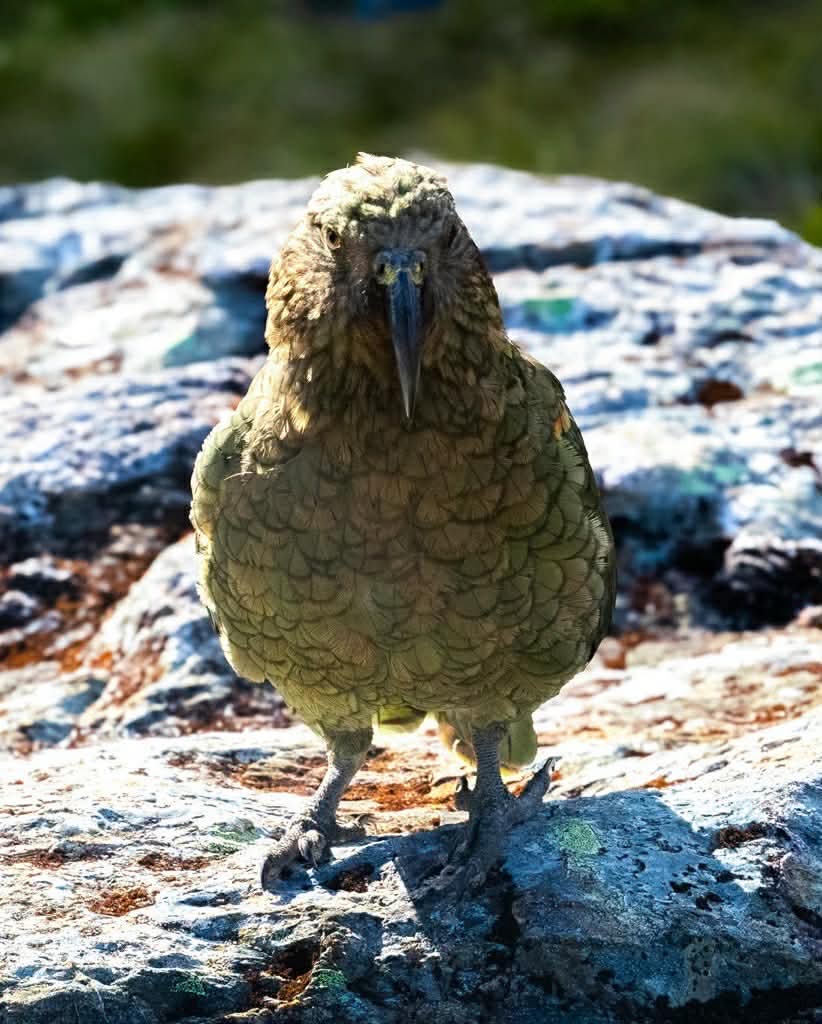
Carl and Cameron explore the Kea at a zoological facility.
Watch the visit on YouTube: youtu.be/EFtmdM9yRK8
The New Zealand Mountain Parrot: An Overview
The New Zealand mountain parrot, or Kea, is native to the rugged mountain regions of New Zealand, where it has adapted to survive in harsh alpine environments. Known for its vibrant green plumage with flashes of orange and red under its wings, the Kea is not only visually striking but also highly adaptable.
Despite its beauty, the Kea faces numerous threats in the wild. Habitat loss, introduced predators, and human conflict have all contributed to its decline. The IUCN Red List classifies the species as endangered, emphasising the critical state of its population.
Unique Physiology That Supports Survival
One of the most intriguing aspects of the Kea parrot is its physical adaptation to the mountainous terrain. Its strong, curved beak allows it to tear into tough vegetation and even scavenge meat when necessary. The bird's feet are powerful and dexterous, enabling it to climb steep rocks and trees with ease.
The Kea's feathers provide insulation against cold temperatures, which is essential for survival in alpine climates. These feathers also have a waterproof quality, helping the bird stay dry during frequent mountain rains.
Intelligence That Sets the Kea Apart
The Kea is often described as one of the most intelligent bird species in the world. Carl and Cameron observed firsthand how these birds solve complex problems and interact with their environment in ways that suggest advanced cognitive abilities.
For example, Keas are known to use tools and manipulate objects to access food. They can work together in groups to achieve goals, demonstrating social intelligence. Their curiosity often leads them to explore new objects, sometimes causing mischief but also showing their problem-solving skills.
The Visit to Leicestershire's Zoological Collection
Carl and Cameron's visit to the zoological collection in Leicestershire provided valuable insights into the care and study of Keas outside their natural habitat. The facility focuses on conservation and education, aiming to raise awareness about the species' plight.
During their visit, they watched the birds engage in enrichment activities designed to stimulate their minds. These activities included puzzle feeders and interactive toys that encourage natural behaviours. The staff explained how such enrichment is crucial for maintaining the birds' mental health in captivity.
Conservation Efforts and Challenges
Conservation of the Kea involves protecting its natural habitat and reducing human-wildlife conflict. In New Zealand, efforts include predator control programmes and habitat restoration projects.
Captive breeding programmes, like the one in Leicestershire, play a vital role in preserving genetic diversity and educating the public. However, challenges remain, such as ensuring that captive birds retain their natural behaviours and can eventually be reintroduced into the wild.
How You Can Help Protect the Kea
Supporting conservation efforts for the New Zealand mountain parrot can take many forms:
- Educate yourself and others about the species and its endangered status.
- Support organisations working on habitat protection and predator control.
- Visit reputable zoos and sanctuaries that participate in conservation programmes.
- Advocate for policies that protect native wildlife and their environments.
Every action contributes to the survival of this unique bird.
The Importance of Understanding the Kea's Intelligence
Recognising the Kea's intelligence helps build empathy and respect for the species. These birds are not just beautiful creatures; they are problem solvers with complex social lives. Understanding their behaviour can improve how we care for them in captivity and protect them in the wild.
Carl and Cameron's experience highlights the value of observing and learning from these birds up close. It also reminds us that intelligence in animals often goes unnoticed, yet it plays a crucial role in their survival.
Original source: animalinsightsconsultancy.com
Share this article
Instagram doesn't support direct web sharing — tap "Instagram (copy link)" then paste into your Story or bio.