16 June 2026
Crocodiles Rock: The Whole Family of Crocodilians
Meet all 28 living crocodilians — alligators, crocodiles, caimans and gharials — in a Caminals identification plate, species list and numbered key.
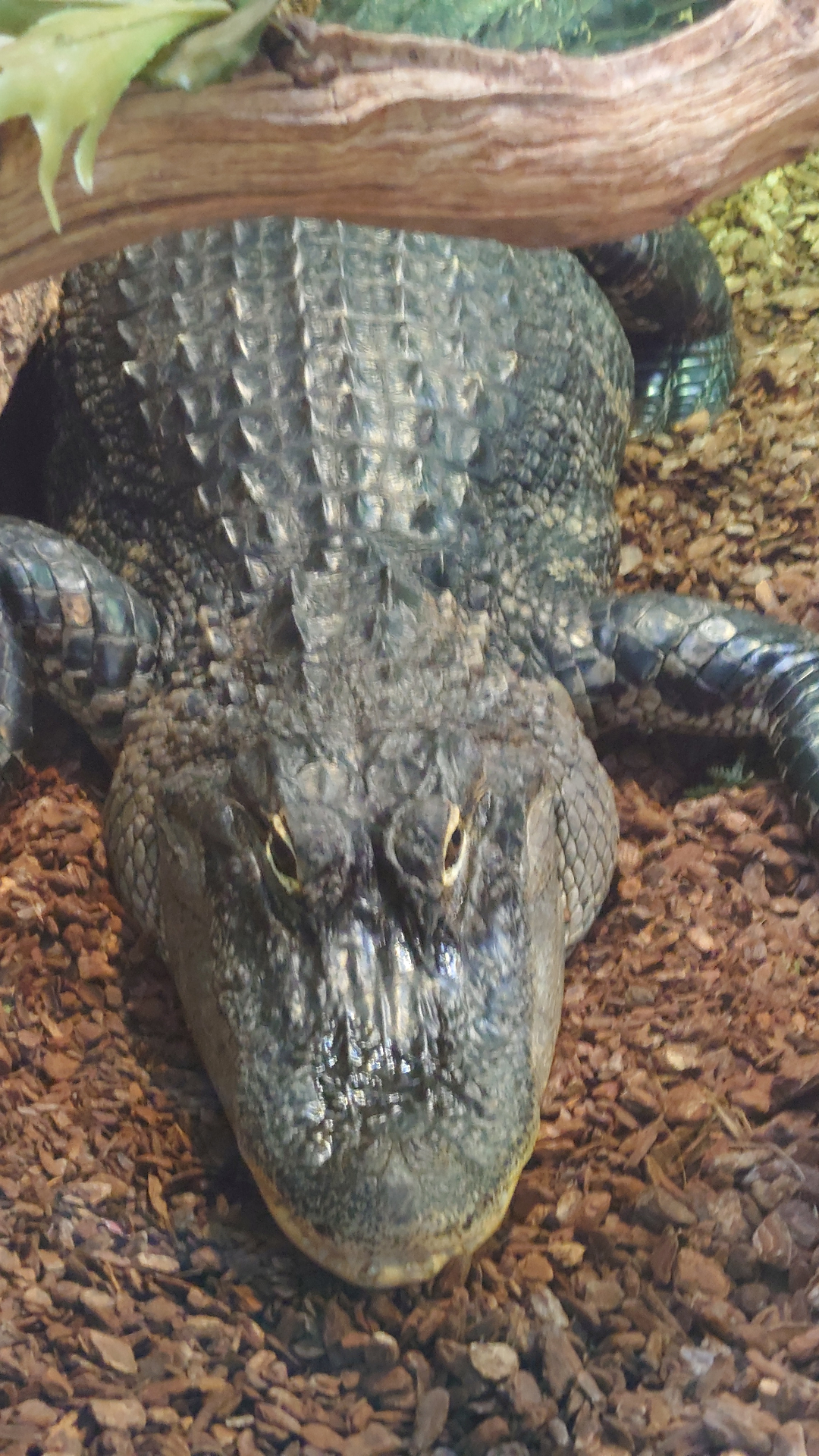
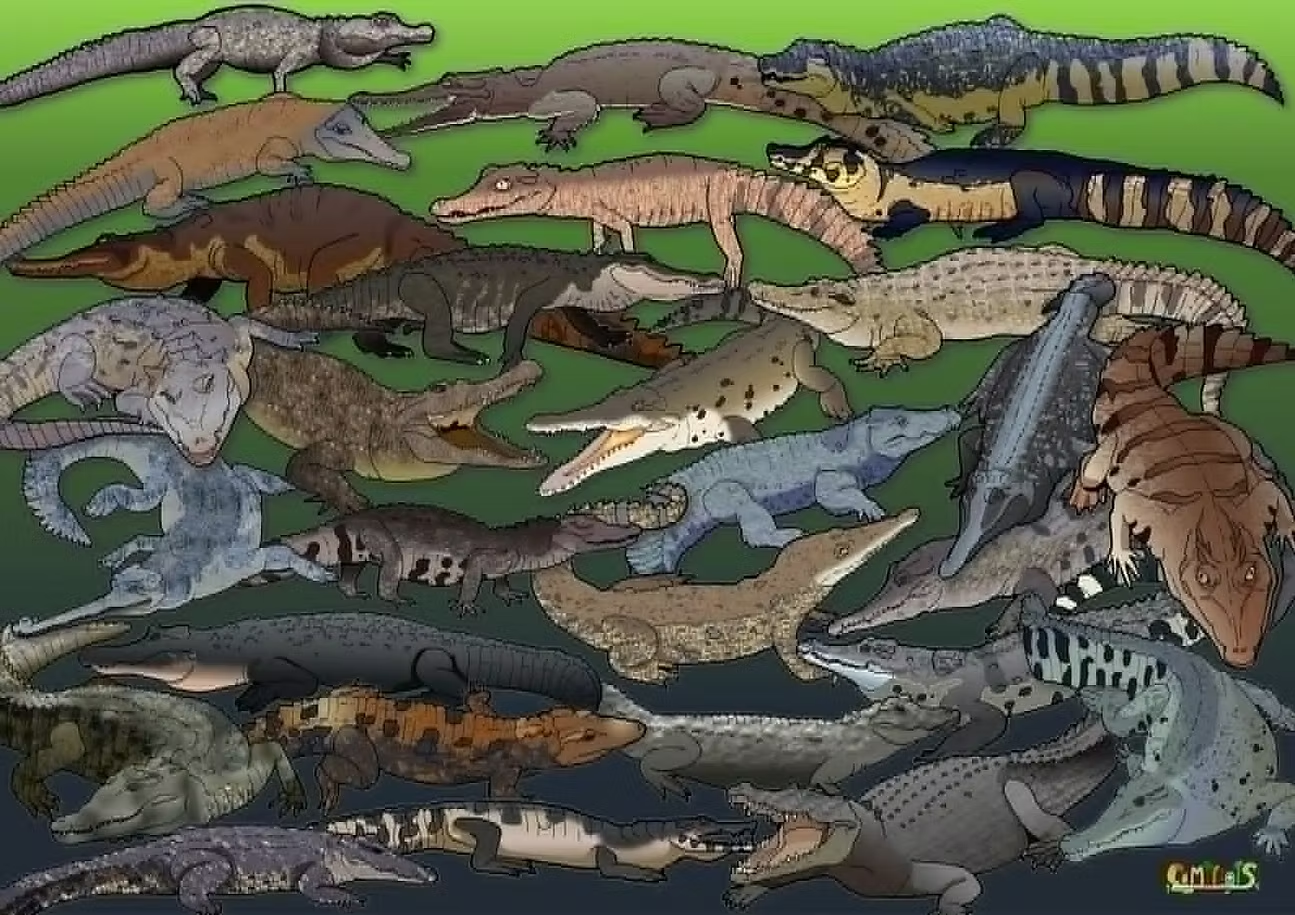
Crocodilians have been on this planet for at least 240 million years, forming four distinct groups: the alligators, the crocodiles, the caimans, and the gharials. Together they make up just 28 living species — and every one of them tells a story about evolution, ecology and conservation.
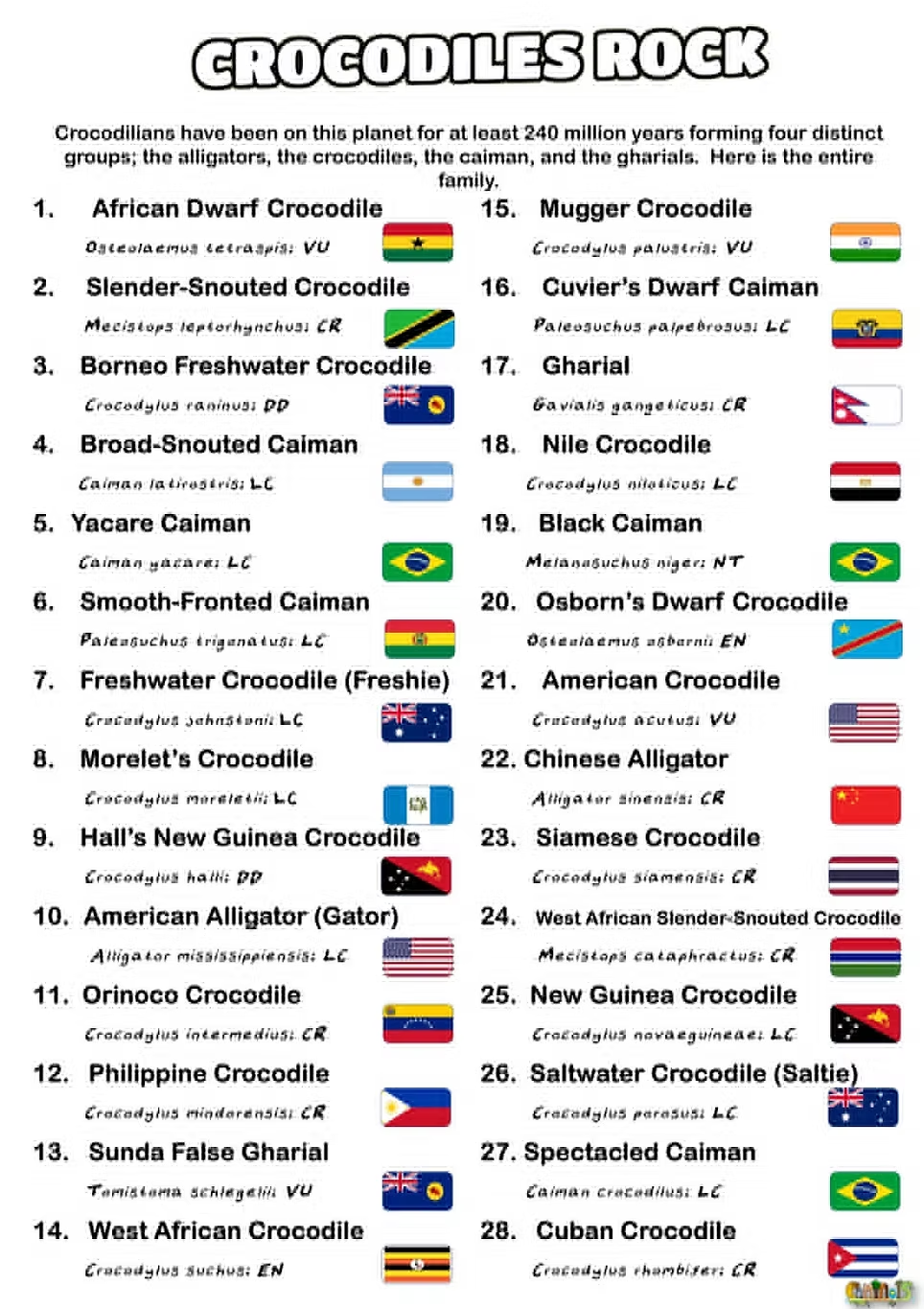
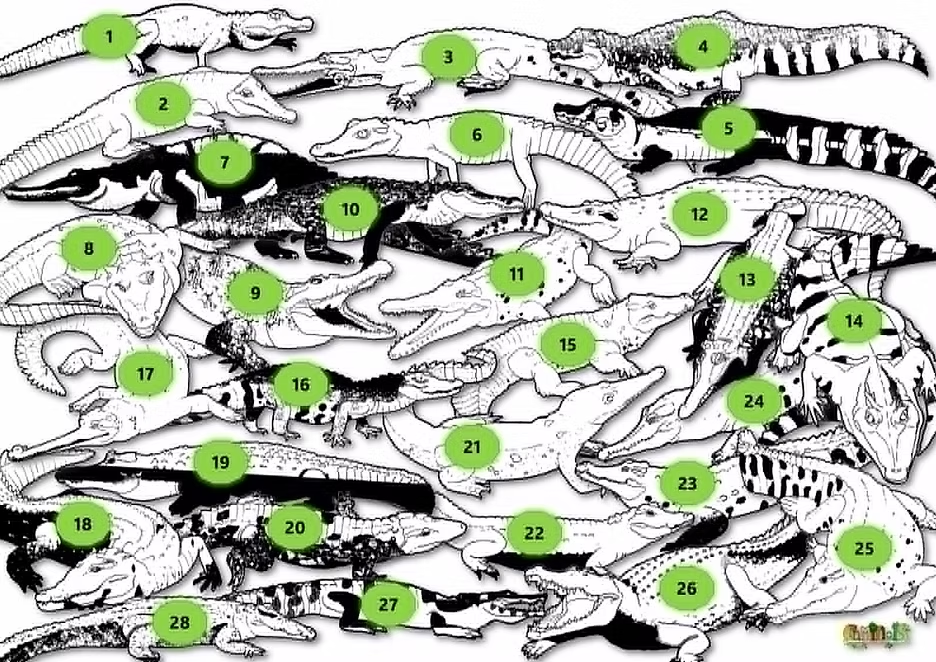
This Caminals plate brings the whole family together in a single picture, with a numbered key and species list so you can identify each animal, learn its scientific name, and see its IUCN Red List status at a glance.
The full colour plate
Species list and IUCN status
Numbered identification key
Why this matters
Crocodilians are often grouped in the public imagination as one big, scary "crocodile." In reality they are an extraordinarily diverse lineage, ranging from the tiny Cuvier's Dwarf Caiman to the immense Saltwater Crocodile, and from the slender, fish-eating Gharial to the heavily armoured Cuban Crocodile. Several species are Critically Endangered — including the Slender-Snouted Crocodile, Gharial, Orinoco Crocodile, Philippine Crocodile, Siamese Crocodile, West African Slender-Snouted Crocodile, Chinese Alligator and Cuban Crocodile — and conservation success for any one of them depends on the public recognising that they are not interchangeable.
Bespoke zoological art like this exists for exactly that reason: to replace a generic stock image with something accurate, beautiful and educational, so audiences leave knowing more than when they arrived.
Share this article
Instagram doesn't support direct web sharing — tap "Instagram (copy link)" then paste into your Story or bio.