24 June 2026
How Zoo Animals Beat the Heat on Sunny Days
From mud wallows and frozen treats to UV-balanced diets and shaded dens, here is how UK zoos keep animals comfortable on the hottest days — plus what visitors should know.
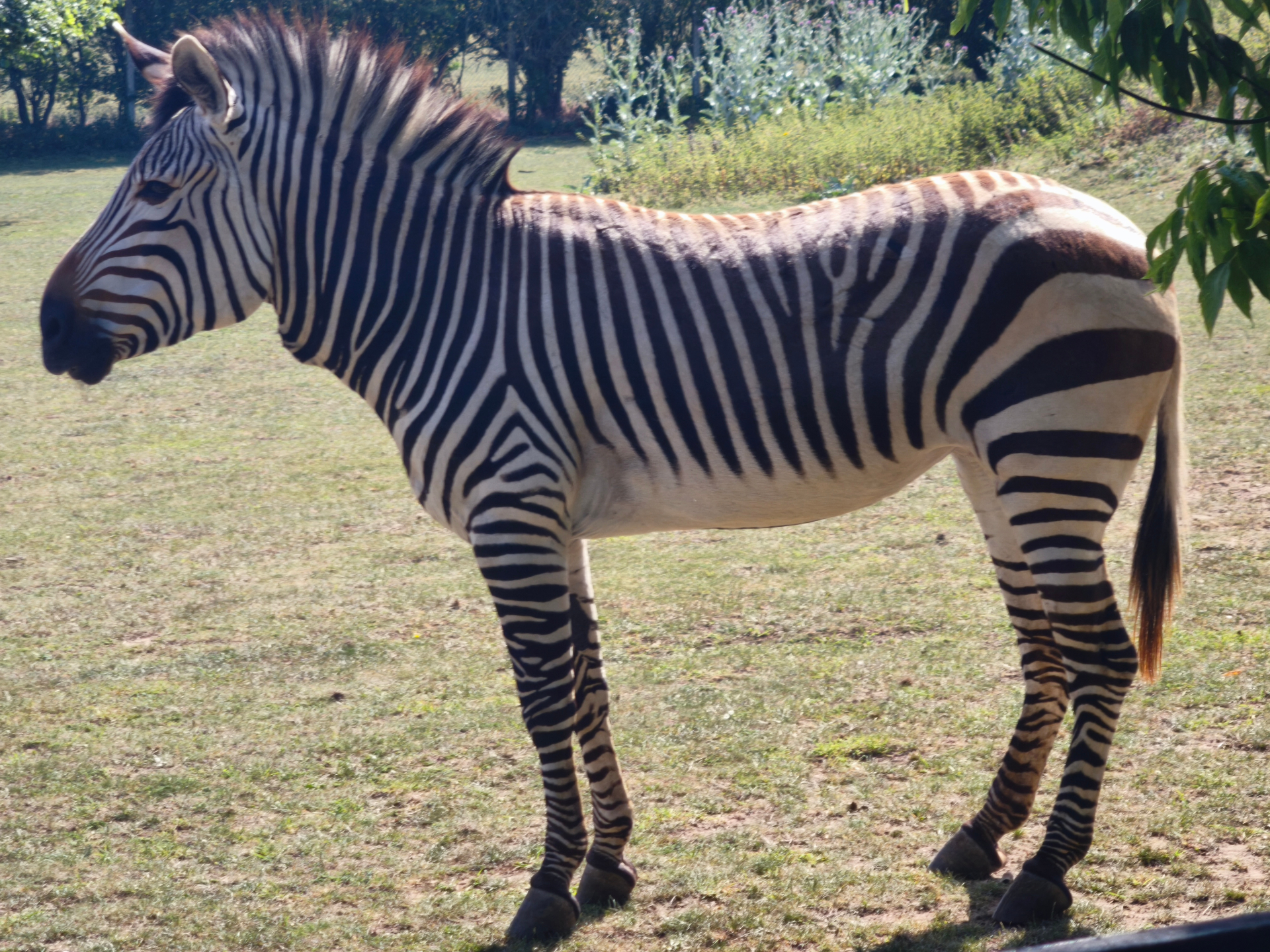
A good wallow in some deep, wet mud. The natural mud bath not only draws out their body heat, but also protects their skin from pesky insects and sunburn. That is just one of the clever ways animals keep their cool when the sun turns up the heat at zoos like Whipsnade Zoo, London Zoo, and Hertfordshire Zoo. On a blistering summer afternoon, a walk around a well-managed zoo reveals a scene of quiet adaptation. Many species are enjoying the warmth, yet most will be found in the shade, conserving energy and avoiding direct sunlight. The hot weather is enjoyed by many species, but careful management by keeping staff ensures every animal has the means to stay comfortable.
Ultra violet levels are high during these sunny spells, and this benefits many species that are managed with a good well-balanced diet. Zookeepers monitor conditions constantly, providing cool spots, water baths, and shaded areas. On my visual checks today, many animals were enjoying the shade. Afterwards, I retreated to look at an upcoming accreditation and review the new zoo licensing standards. For visitors, the message is simple: enjoy the sun and keep safe with plenty of fluids.
Why Hot Weather Is Enjoyed by Many Zoo Animals
It might seem counterintuitive, but many zoo animals thrive in warm conditions. Reptiles, for example, rely on external heat sources to regulate their body temperature and digest food. Birds and small mammals also benefit from the warmth, becoming more active in the early morning and late afternoon. As noted by keepers at several zoos, when it is warm and sunny animals can be very active in the morning but as it gets hotter the animals tend to be much less active. This natural rhythm allows animals to take advantage of the sun''s energy without overexerting themselves.
The high ultra violet levels present during hot weather can also support the production of vitamin D in many species, particularly when combined with a well-balanced diet. Zoo nutritionists carefully plan meals to complement natural sunlight exposure, ensuring that even animals with sensitive skin or those that usually stay in shade receive the nutrients they need. This careful balance is why zoos invest heavily in both indoor climate control and outdoor enrichment.
How Zoo Animals Keep Cool in the Sunshine
Mud Baths and Water Pools
A good wallow in some deep, wet mud is a classic cooling technique. The mud plastered on the skin draws out body heat and provides a protective layer against sunburn and biting insects. Large mammals such as rhinos and elephants are particularly fond of this method. Many animals at the zoo also cool off in ponds and pools. The animals perhaps least associated with a heatwave — the polar bears — make full use of their pools to regulate their body temperatures. At Drusillas Park, animals have been cooling off with enrichment made from frozen food, a refreshing and engaging treat for species that would normally forage in cooler conditions.
Shade and Minimal Movement
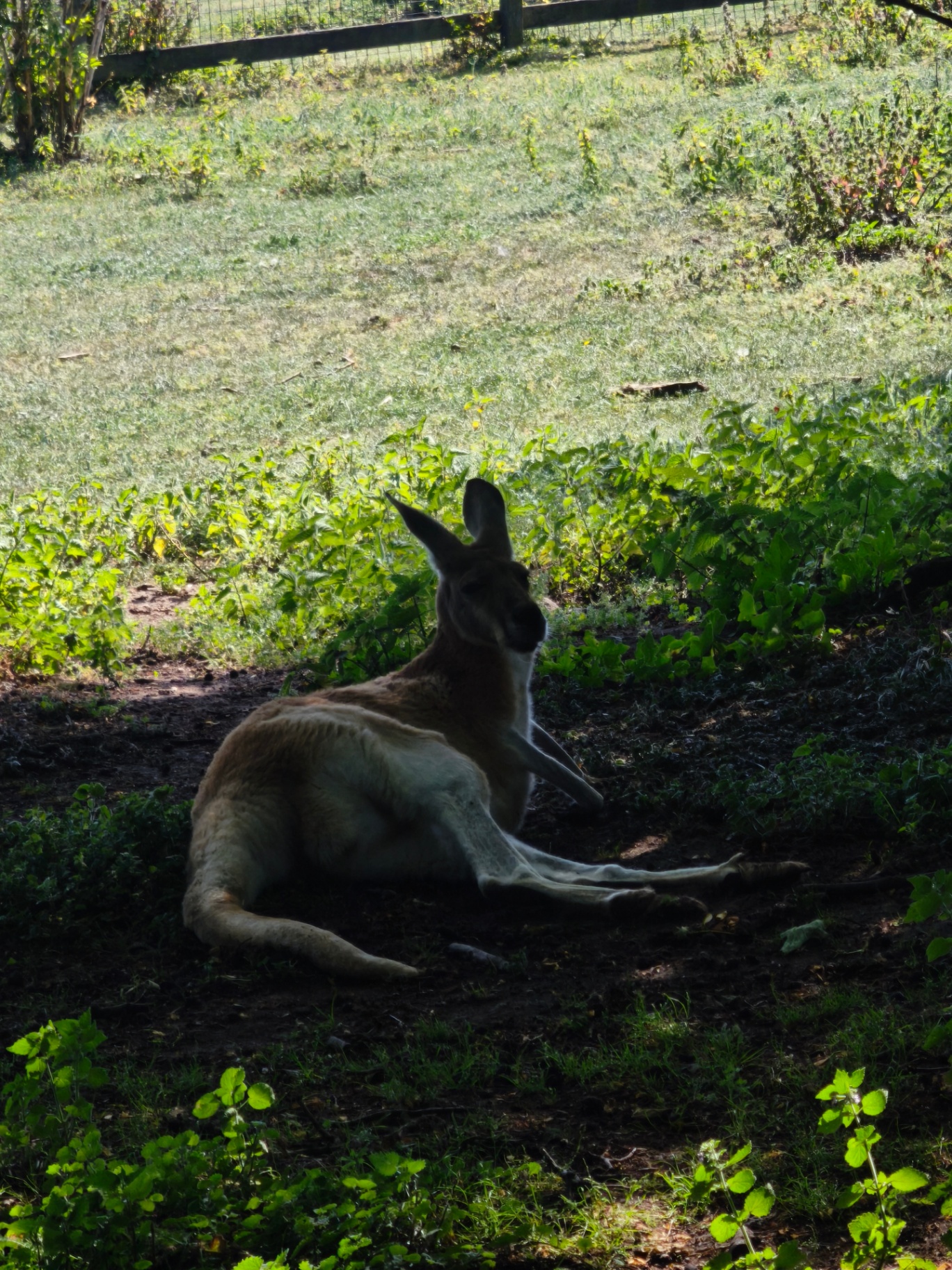
Big cats, including lions and tigers, will minimise movement on hot days and locate the best shady spots to reduce their time in the direct sun. All cats at Hertfordshire Zoo, for example, have access to shaded areas and cooled indoor dens. This behavioural adaptation is also seen in primates and hoofstock. During extremely hot weather, it is worth visiting earlier in the day. During heatwaves you may find that some of the animals may not be visible or some areas may be closed to allow them to rest in peace. Zookeepers carefully design enclosures with multiple microclimates so each animal can choose its preferred temperature zone.
Frozen Treats and Enrichment
Frozen food enrichment is a popular and effective way to help animals cool down. Blocks of ice containing fruit, vegetables, or fish are provided as a mentally stimulating snack. At London Zoo, keepers create colourful frozen treats for gorillas and other primates. At Whipsnade Zoo, pygmy hippos enjoy icy treats that also encourage natural foraging behaviours. These enrichments are part of a broader strategy to keep animals active and comfortable during the hottest parts of the day.
Temperature-Controlled Indoor Environments
Many animals at the zoo live in temperature-controlled indoor environments that provide refuge from the heat. These spaces are particularly important for species native to cooler climates, such as penguins and some birds of prey. Air-conditioned holding areas and behind-the-scenes dens allow keepers to offer immediate relief when outdoor temperatures become extreme. The Smithsonian''s National Zoo reports that such facilities are used regularly during heatwaves, and the same principle applies across UK zoos.
What Visitors Should Know on a Hot Day
If you are planning a visit during a spell of hot sun weather, arriving early is advisable. During extremely hot weather, it is worth visiting earlier in the day because animals are most active in the cooler morning hours. As the day heats up, many species will retreat to shade or indoor areas, so your best chance of seeing a wide variety of animals is between opening time and midday. Remember to bring water, wear sun protection, and use any splash zones or shaded picnic areas that zoos provide. London Zoo, for instance, has a Splash Zone where children can play in fountains, offering a human version of the animals'' cooling strategies.
Keepers also remind visitors that some animals may not be visible if they are resting in shaded off-show areas. This is a sign of good animal husbandry, not a lack of activity. The welfare of each animal comes first, and allowing them to choose their own comfort zone is central to modern zoo management.
The Role of Sunlight and UV in Animal Health
High levels of ultra violet light during hot weather are beneficial for many species, provided they have a good well-balanced diet. UV light helps animals synthesise vitamin D, which is essential for bone health and immune function. Reptiles, for example, require UVB lighting in their enclosures even indoors, but natural sunshine is the most effective source. For birds and mammals, controlled exposure to sunlight reduces the risk of metabolic bone disease and supports overall wellbeing. Zookeepers balance this by ensuring animals have access to both sunny basking spots and deep shade so they can regulate their own UV intake.
Behind the Scenes: Accreditation and New Licensing Standards
On a recent hot afternoon, after completing my visual checks of the animals — many of whom were enjoying the shade — I retreated to review documentation for an upcoming accreditation inspection and to study the new zoo licensing standards. This is a regular part of running a modern animal collection. Accreditation bodies such as the zoo licensing authority set strict requirements for animal welfare, including how animals are protected from extreme weather. The new standards emphasise proactive cooling measures, proper record-keeping of temperature checks, and staff training on heat stress recognition.
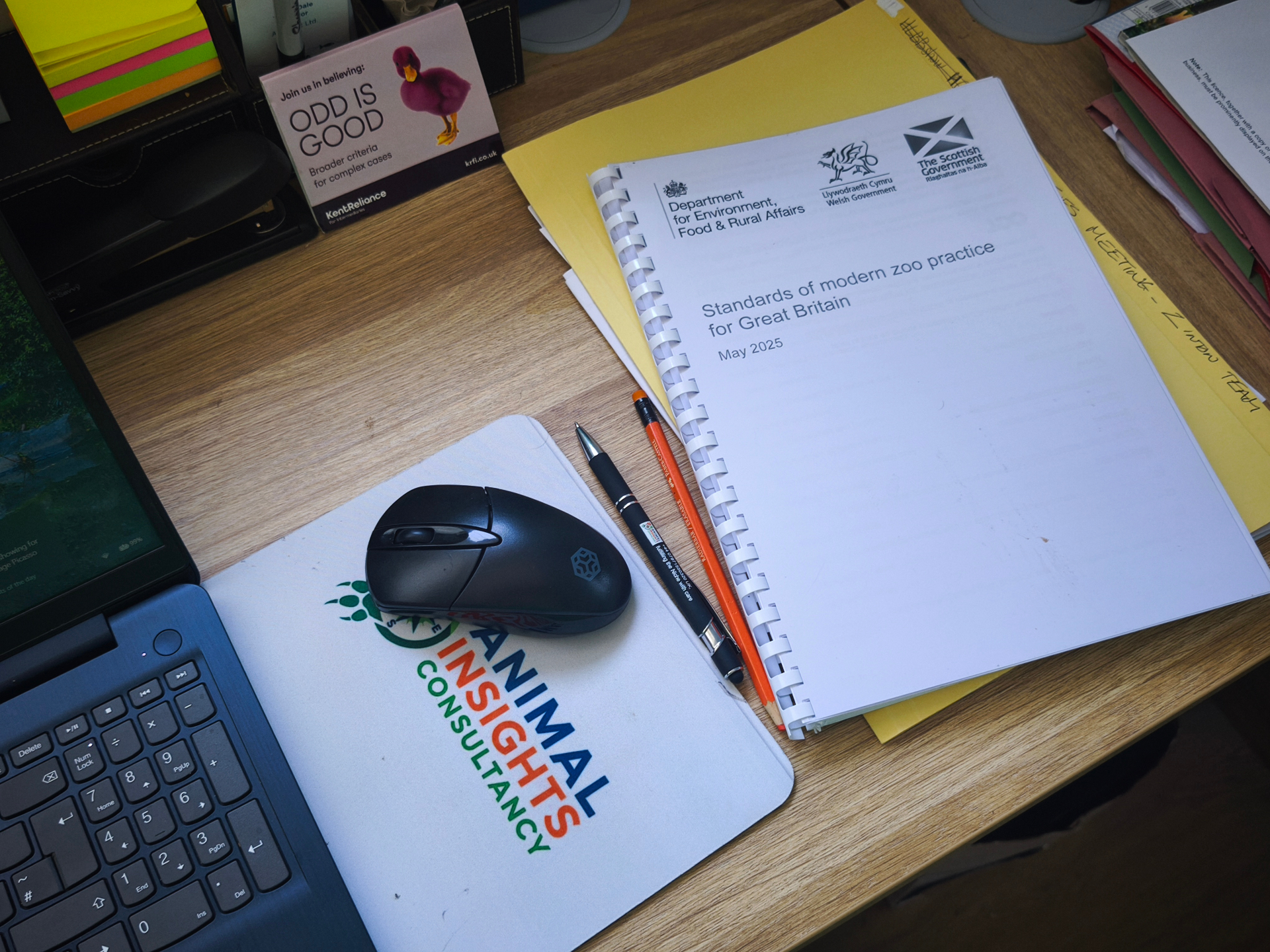
For keepers, a sunny day is not just about watching animals bask. It is a busy time of monitoring water levels, checking shade structures, and adjusting enrichment schedules. The combination of high UV, well-balanced diets, and careful enclosure design means that most animals not only tolerate the heat but thrive in it. As one keeper at Whipsnade Zoo noted, "There''s no better place to be than the Zoo for tips and tricks on how to keep cool."
Frequently Asked Questions
Why are animals often less visible on hot days?
On hot days, many animals reduce their activity to conserve energy and avoid overheating. They seek out shaded areas, cool indoor dens, or behind-the-scenes spaces that visitors cannot see. This is a natural and healthy behaviour that keeps them comfortable during peak temperatures.
How do keepers ensure animals stay cool in a heatwave?
Keepers provide a range of cooling measures including shaded enclosures, water pools, mud wallows, frozen food enrichment, and temperature-controlled indoor rooms. They also monitor each animal''s behaviour and adjust the environment as needed to prevent heat stress.
What is the best time to visit the zoo in hot weather?
Early morning is the best time to visit during a heatwave. Animals are most active in the cooler hours, and you are more likely to see them moving and feeding. By late morning and afternoon, many species will be resting in shade or indoors, so plan your arrival accordingly.
Do all animals seek shade when it is hot?
Not all animals react the same way. Species from warm climates, such as meerkats and some reptiles, may continue to bask in sunlight even at high temperatures. However, most mammals and birds will use shade or water to cool down when given the choice. Zookeepers design enclosures with both sunny and shaded zones to accommodate different preferences.
Whether you are visiting for a day out or working behind the scenes, hot sun weather at the zoo is a time of careful observation and adaptation. The animals show us how to slow down, find a cool spot, and enjoy the warmth safely. By taking their lead and staying hydrated, everyone can make the most of a sunny day at the zoo.
Share this article
Instagram doesn't support direct web sharing — tap "Instagram (copy link)" then paste into your Story or bio.