16 June 2026
Top Strategies for Enhancing Animal Welfare in Wildlife Parks
Practical strategies for raising animal welfare in wildlife parks — governance, behaviour-led habitat design, staff observation, welfare indicators, and visitor management.
Wildlife parks are judged not only by the animals they hold, but by the quality of life those animals experience every day. Good welfare does not come from one enrichment item, one modern exhibit, or one annual inspection. It comes from a chain of decisions about housing, nutrition, social management, veterinary care, staff competence, and visitor pressure. The strongest institutions treat animal welfare policy development as a practical operating discipline that shapes daily routines as much as long-term planning.
Make Animal Welfare Policy Development the Operational Foundation
Meaningful welfare improvement starts with governance. A park needs clear policies that define welfare standards, assign responsibility, explain reporting routes, and set out how decisions will be reviewed when new animals arrive, groups change, habitats age, or public activities expand. A structured approach to animal welfare policy development helps wildlife parks move beyond reactive problem-solving and towards a consistent, accountable standard of care.
This matters especially in collections with mixed species, seasonal staffing, public feeding sessions, animal encounters, breeding programmes, or transport activity. In these environments, informal habits are rarely enough. Written policy should reflect real practice on the ground and give teams a shared framework for decision-making when conditions become complex.
A practical policy checklist
- Define species-specific standards: Set expectations for housing, feeding, social structure, rest, temperature, lighting, and behavioural opportunity.
- Assign accountability: Make clear who reviews welfare concerns, approves changes, and signs off action plans.
- Link policy to risk: Connect welfare policy with incident reporting, veterinary response, transport planning, and public interaction protocols.
- Review regularly: Policies should evolve as animal needs, facilities, and professional standards change.
For organisations seeking an external perspective, Animal Insights Consultancy Ltd can support welfare reviews, enclosure assessment, policy refinement, and practical action planning in a way that is tailored to the realities of wildlife parks, open farms, and wider animal industries.
Design Environments Around Natural Behaviour
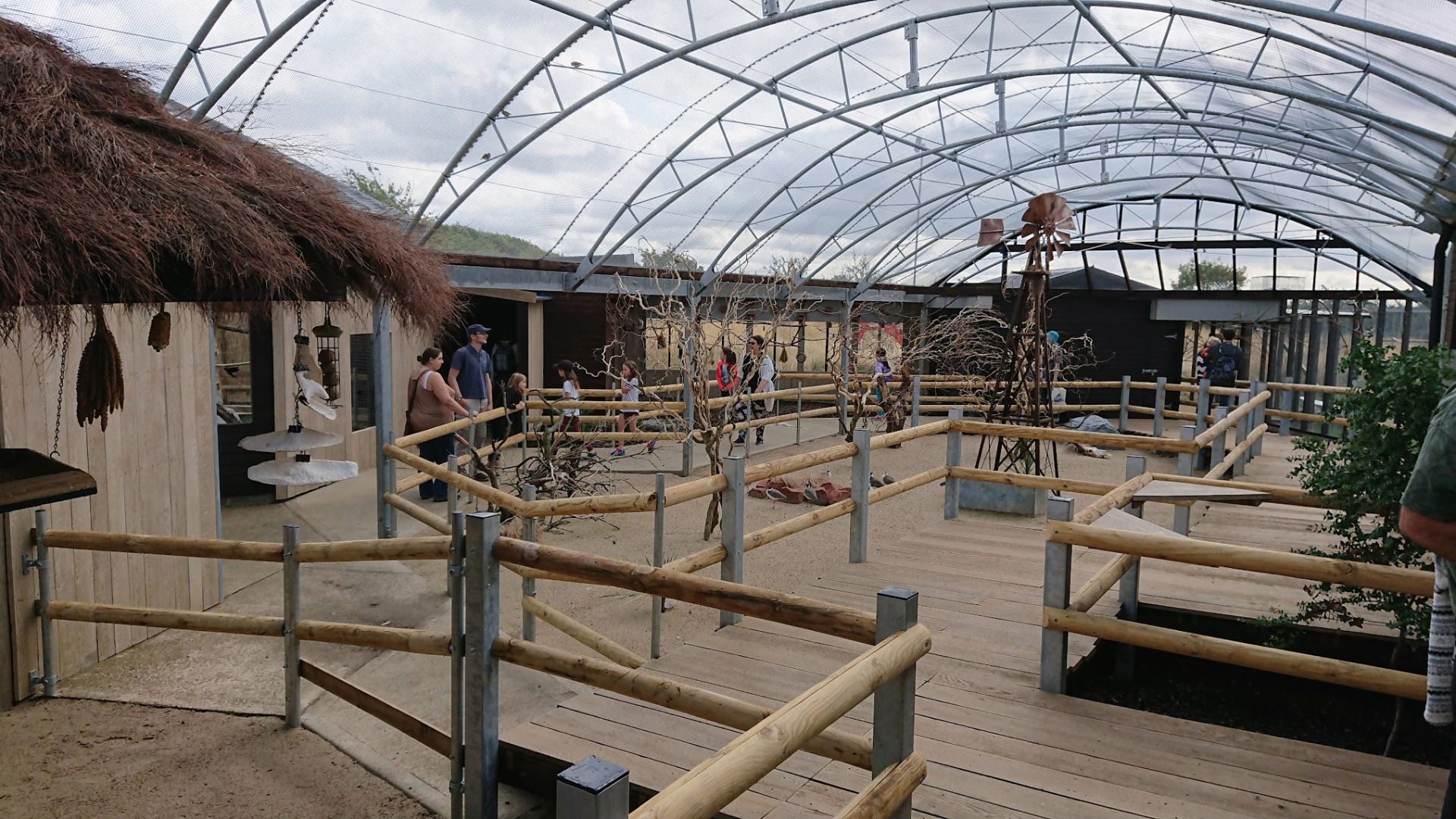
Welfare improves most clearly when environments allow animals to express a meaningful range of natural, species-appropriate behaviour. That means thinking beyond appearance. A habitat may look attractive to visitors but still underperform if the animal cannot retreat from view, separate from incompatible group members, forage in varied ways, or choose between shade, shelter, height, water, and open space.
Effective enclosure design balances physical health with behavioural and psychological needs. It should support movement, rest, control, sensory stimulation, and social choice. In many cases, the most important welfare gains come not from expensive rebuilds, but from better layout, more flexible management, and a more careful reading of how animals actually use the space available to them.
- Choice and control: Animals should be able to move between different microclimates, substrates, and visibility levels.
- Retreat space: Off-show areas and visual barriers are essential, not optional extras.
- Behaviour-led enrichment: Feeding, scenting, browse, puzzle devices, and habitat variation should support exploration and problem-solving rather than provide short-lived novelty.
- Social planning: Group composition, separation options, and breeding management should reflect species needs and individual history.
When parks design around behaviour rather than aesthetics alone, welfare standards become more resilient and easier to sustain over time.
Invest in Staff Skills, Routine Observation, and Response
Even well-designed facilities can fall short if staff knowledge is inconsistent. Keepers, supervisors, educators, maintenance teams, and guest-facing staff all influence animal welfare in different ways. Animal welfare policy development should therefore include clear expectations for training, observation, escalation, and record-keeping.
Daily observation remains one of the most valuable tools in a wildlife park. Subtle changes in posture, movement, feeding, social interaction, use of space, or response to people can appear long before a problem becomes urgent. Staff need the confidence to notice those changes, document them clearly, and raise concerns without delay.
- Species-specific training: Teams should understand normal behaviour, early warning signs, and individual animal history.
- Consistent handovers: Good communication between shifts prevents small concerns from being missed.
- Cross-functional input: Keepers, veterinary professionals, nutrition specialists, and managers often see different parts of the same welfare picture.
- Supportive culture: Staff should be encouraged to report concerns early rather than wait for certainty.
A park with strong observational discipline often resolves welfare issues sooner, with less disruption to animals and operations alike.
Measure Welfare with Practical Indicators
If welfare is not measured, it is easy to overestimate it. Wildlife parks should combine resource-based measures, such as enclosure features and diet provision, with animal-based indicators, such as body condition, behavioural diversity, social stability, injury patterns, and signs of stress, pain, or frustration. The goal is not paperwork for its own sake, but a realistic picture of how animals are coping.
Monitoring is most useful when it is routine, comparable over time, and linked to action. Teams should know which indicators matter for each species, who reviews them, and what triggers further assessment.
| Area | What to review | Why it matters |
|---|---|---|
| Behaviour | Activity patterns, social interactions, use of space, repetitive behaviour | Shows whether the environment supports normal coping and behavioural choice |
| Physical condition | Body condition, gait, coat or feather quality, wounds, appetite | Helps identify pain, illness, nutritional issues, or chronic management problems |
| Environment | Substrate, shelter, temperature, barriers, hygiene, enrichment use | Confirms whether housing matches species needs in practice |
| Management | Handling routines, staffing consistency, feeding schedules, public exposure | Highlights operational factors that may improve or undermine welfare |
Regular welfare reviews work best when they are multidisciplinary. That approach produces more balanced decisions and keeps animal welfare policy development grounded in evidence rather than assumption.
Align Visitor Experience with Welfare Goals
Visitor engagement should support welfare, not compete with it. Wildlife parks often feel pressure to keep animals visible, active, and interactive throughout the day. In reality, a more respectful viewing model is usually better for the animals and more credible for the institution. Animals need the option to rest, withdraw, or remain out of sight without that being treated as a failure of display.
Parks can strengthen this balance by:
- designing viewing areas that reduce noise, crowding, and direct intrusion;
- limiting encounters to formats that do not compromise control or routine;
- using interpretation to explain why retreat space, off-show areas, and quieter periods matter;
- training front-of-house teams to manage guest behaviour calmly and consistently.
When visitors understand that welfare sometimes requires privacy, distance, and animal choice, the park creates a more mature and responsible relationship between public education and animal care.
Conclusion
The best wildlife parks do not treat welfare as a slogan or a compliance exercise. They embed it in policy, habitat design, staffing, monitoring, and visitor management until it becomes the standard against which every decision is tested. That is where animal welfare policy development has its greatest value: not as a document on a shelf, but as a living framework that protects animals, guides teams, and strengthens the integrity of the park itself. For leaders committed to long-term improvement, the essential strategy is clear: put welfare at the centre of operations, then review it with honesty, discipline, and the willingness to keep improving.
Original source: animalinsightsconsultancy.com
Share this article
Instagram doesn't support direct web sharing — tap "Instagram (copy link)" then paste into your Story or bio.